The Q-tip Quandary: A Century of Swabs, Secrets, and Serious Warnings
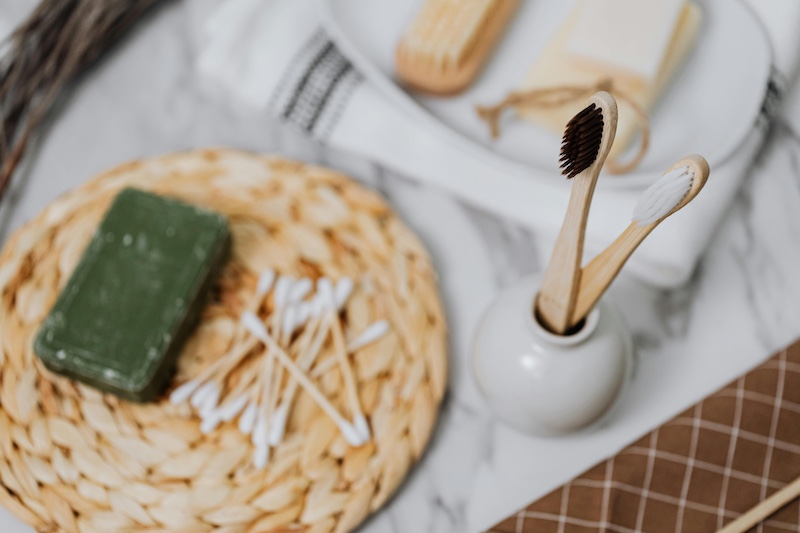
Look around your bathroom, that most intimate of domestic spaces. Chances are, nestled amongst the lotions and potions, the toothbrushes and soaps, you’ll spot them: those unassuming little cotton-tipped sticks, poised for action. They are, of course, Q-tips – or cotton swabs, to be precise – an everyday fixture so ubiquitous they often escape deeper scrutiny.
But have you ever truly paused to consider the quiet journey of this humble implement? What untold story lies behind its pristine white tips? What precisely was its original design brief? And perhaps most intriguingly, why does the mere mention of its most popular application often elicit a subtle wince, if not an outright medical lecture, from your doctor? Join me as we delve into the fascinating, and at times surprisingly controversial, world of Q-tips.
A “Quality” Beginning: The Birth of the Cotton Swab
Our tale begins not in a sterile laboratory, but with a simple observation of domestic care. The year was 1923, and Polish-American inventor Leo Gerstenzang witnessed his wife meticulously cleaning their infant with a delicate wisp of cotton wrapped around a toothpick. A flash of intuitive brilliance struck: surely, there must be a more convenient, more hygienic, and above all, safer way to achieve this tender task.
Thus was born the “Baby Gays,” a rather charming, if anachronistic, original moniker for Gerstenzang’s ingenious creation. The name, however, quickly evolved, rebranding into the more evocative and enduring “Q-tips.” The “Q,” we are told, stood for “Quality” – a testament to aspirational branding that has, against all odds, endured for a century. The “tips,” of course, remain self-explanatory.
The initial mission of these nascent cotton swabs was unequivocally gentle: they were conceived for the delicate care of infants. Picture outer ear creases, navel hygiene, or the precise application of ointments. The emphasis was on delicate and superficial cleaning. Crucially, the deep recesses of the ear canal were never, ever part of the original design brief. That particular, problematic deviation, alas, would emerge later, a testament to user innovation gone somewhat awry.
The Many Lives of a Q-tip: What We Do With Them Now
Over the decades, the Q-tip transcended its infant-care origins, blossoming into an astonishingly versatile tool. Its slender form and absorbent cotton tips proved eminently adaptable to a myriad of tasks, often showcasing human ingenuity in repurposing simple objects.
Beyond the nursery, the Q-tip has become a silent partner in countless daily rituals:
- The Beauty Blender: An indispensable aid for makeup aficionados, perfect for refining eyeliner, smudging shadows, or correcting minor nail polish misadventures.
- The Detail Doctor: From dislodging crumbs from keyboard crevices to polishing intricate jewelry or reaching the tightest spots on electronic gadgets, its precision is unmatched.
- The Artistic Aid: Artists find them invaluable for blending pastels, applying glue with finesse, or intricate craftwork where a delicate touch is paramount.
- The First Aid Friend: For dabbing antiseptic onto a small cut or cleaning a superficial wound, its gentle application is ideal.
But let us be candid. Despite this impressive resumé of beneficial applications, for an astonishing number of individuals, one use towers above all others, becoming its de facto primary purpose. And it is this very application that sends shivers down the spines of medical professionals. Despite explicit, often multi-language warnings emblazoned on every box, the inner ear canal remains the Q-tip’s most frequent – and most ill-advised – destination.
The Great Earwax Debate: Why Doctors Declare “Hands Off!”
Herein lies the core of the Q-tip quandary: a stark divergence between popular habit and medical consensus. For decades, Ear, Nose, and Throat (ENT) doctors and audiologists have issued a resounding, unanimous declaration: Do not use Q-tips to clean inside your ear canals. Why such a strong, almost fervent, stance against a practice so deeply ingrained in our collective psyche?
The issue, simply put, is the “push, don’t pull” problem. Your ear canal is not a straight, easily accessible tube; it’s a curved, delicate pathway designed to move wax outwards. When a cotton swab is introduced, it often acts less like a cleaner and more like a ramrod, compacting earwax deeper into the canal. This often leads to wax impaction, forming a dense, painful plug that can muffle hearing, cause discomfort, and even lead to infection. Imagine trying to sweep dirt from your floor, only to find you’re merely pushing it under the rug, creating an even larger, more stubborn mess. That’s precisely what happens in your ear.
Furthermore, we venture into the danger zone: the extremely delicate eardrum. The skin lining your ear canal is remarkably thin and sensitive, a mere fraction of a millimeter thick. A moment’s distraction, an unexpected jostle, or simply over-enthusiasm can lead to a perforated eardrum – an excruciatingly painful injury that can impair hearing and open the door to serious infections. Beyond perforation, even minor scratches to the ear canal lining create microscopic portals for bacteria and fungi to wreak havoc. Ouch, indeed.
The fundamental truth, often overlooked in our quest for perceived cleanliness, is that your ears are self-cleaning geniuses! Earwax (cerumen) is not merely an unsightly nuisance; it’s a vital, naturally produced protective substance. It lubricates the ear canal, traps dust and foreign particles, and possesses antibacterial properties. The natural movements of your jaw – chewing, talking – along with the slow, outward migration of skin cells, efficiently transport old wax and debris out of the ear. Disrupting this elegant, natural system with an intrusive swab can actually make your ears dirtier and far more prone to complications.
The Future of Cotton Swabs: Evolution or Education?
The trajectory of the cotton swab in the coming years is unlikely to be marked by radical redesigns of the swab itself, but rather by an evolution in our understanding and interaction with it. The focus is shifting from modifying the product to modifying human behavior.
Expect to see a continued, intensified push for public education. Doctors, public health campaigns, and online platforms (like, dare I say, this very blog post!) will increasingly amplify the message about safe ear care. It’s a societal challenge, one that aims to slowly dismantle a century-old habit.
Concurrently, we are witnessing the rise of safer alternatives for those genuinely concerned about earwax. Simple, time-tested home remedies like a warm, damp washcloth for the outer ear, or doctor-approved earwax softening drops (used strictly as directed), offer gentle solutions. When wax truly becomes problematic, professional medical intervention remains the gold standard. Leave it to the pros, indeed.
Finally, in an era of heightened environmental consciousness, the humble cotton swab is also undergoing a “greening.” Biodegradable paper sticks are increasingly replacing plastic ones, and eco-friendly, sustainable materials are becoming a priority in production. It’s an evolution driven not by health concerns, but by a broader responsibility to our planet.
Swab Smart, Not Sorry
So, as we conclude our intellectual meander through the secret life of the Q-tip, what are we to make of this ubiquitous bathroom resident? It is a product born of ingenuity, designed with care, and imbued with “Quality.” It has proven itself to be an indispensable tool for countless tasks, from intricate beauty routines to delicate craftwork. Its versatility is, frankly, remarkable.
Yet, its legacy is undeniably complicated by a single, pervasive misuse. The Q-tip remains fantastic for a multitude of tasks – just not for digging into the miraculous, self-cleaning ecosystem of your inner ear canals.
Next time you reach for that familiar cotton swab, take a moment. Remember its history, its many helpful and appropriate uses, and most importantly, extend the respect your ears deserve. Trust their innate ability to keep themselves clean, and save the Q-tips for your makeup, your crafts, or that tricky dusty spot on your phone screen. Your ears, and perhaps your doctor, will thank you.