Hey, Got a Kleenex? From Gas Masks to Generic: A Brand's Wild Ride to Your Tissue Box
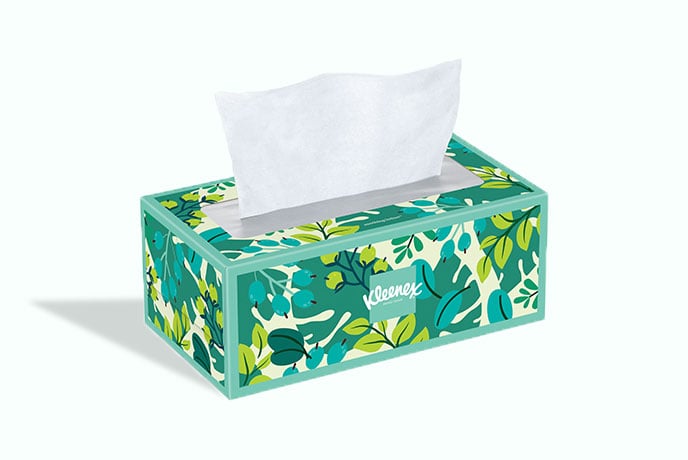
There’s a common ritual most of us participate in without a second thought. A sneeze erupts, eyes well up, or a child needs a quick dab, and the automatic request tumbles out: “Can I have a Kleenex?” It’s a phrase so deeply ingrained in our lexicon that we rarely pause to consider its implications. Why, indeed, do we utter “Kleenex” when what we truly mean is any facial tissue? This seemingly innocuous linguistic habit hides a fascinating, multi-layered story of innovation, marketing genius, and the complex legal tightrope walked by brands that achieve the ultimate, yet perilously double-edged, form of success: becoming a “genericized trademark.” It’s like a brand achieving superstar status, only to risk losing its unique identity in the blinding glare of its own fame. Sounds like a drama, doesn’t it? Let’s unravel this snot-sword tale.
From Gas Masks to Glamour: Kleenex’s Wild Origin Story
To truly appreciate the saga of Kleenex, one must venture back to its utterly improbable beginnings. Prepare for a plot twist: the very material that would one day cradle your sniffles began its life filtering gas masks during World War I. Yes, you read that correctly. Kimberly-Clark’s Cellucotton, a créped wadding material, was originally conceived as a highly absorbent, comfortable filter for the horrors of chemical warfare. Talk about an unexpected origin for something now synonymous with softness and relief!
But the war ended, and with it, the urgent demand for Cellucotton gas mask filters. What now for this versatile material? In another intriguing turn, post-war ingenuity saw it repurposed. In 1924, Kleenex made its debut not as a tissue for colds, but as a disposable alternative for removing cold cream. Imagine the marketing campaigns of the era: “the sanitary cold cream remover.” Very chic, very practical for the discerning woman of the roaring twenties.
Yet, as often happens, the public had other ideas. Kimberly-Clark began receiving a stream of letters from consumers, not praising its cold cream removal prowess, but exclaiming, “Hey, this stuff is AMAZING for my runny nose!” The collective wisdom of its customers provided the true “aha!” moment. Listening intently, the company executed a genius pivot. They shifted their marketing focus entirely, ditching the beauty aid angle for the iconic “handkerchiefs you can throw away” campaign. And BAM! A household name was born, not from corporate strategizing alone, but from the organic discovery and adoption by the very people it sought to serve.
The Ultimate Brand Goal (and Its Nasty Side Effect): Why Being Too Famous Is a Problem
Kleenex’s journey from battlefield necessity to beauty aid to the undisputed king of sniffles is, in many ways, the ultimate brand success story. Kimberly-Clark hit the branding jackpot, weaving its product so inextricably into the fabric of daily life that its name became synonymous with the very item it represented. This is the marketing manager’s fantasy – a brand so pervasive, so beloved, that it transcends its mere product form to become the generic descriptor itself.
However, this extraordinary fame is a double-edged sword, a truly fascinating paradox of achievement. For Kimberly-Clark, it means a constant, vigilant battle against “genericide.” This is the legal term for when a brand name becomes so widely used as a common noun that it loses its distinctiveness and, crucially, its legal protection as a trademark. Imagine if “Google” became the generic term for any search engine, and Google were to lose its exclusive rights to the name. The implications are profound, potentially opening the floodgates for competitors to use the now-generic term, diluting the original brand’s market position and identity.
This isn’t merely a theoretical concern for Kleenex. Next time you pick up a box, take a closer look. Ever notice “Kleenex® brand tissues”? That little “®” symbol and the careful phrasing aren’t stylistic choices; they are Kimberly-Clark’s polite, yet firm, legal reminder to the world that they are, indeed, a brand. It’s a constant, subtle reassertion of proprietary rights, a silent plea to the public to remember its unique origin.
Kleenex’s Real-Life Dramas: Legal Battles and Market Exits
The fight against genericide isn’t confined to style guides and marketing copy; it plays out in the very real arena of legal battles and strategic business decisions. Kimberly-Clark actively monitors and challenges uses of “Kleenex” that attempt to treat it as a generic term in dictionaries, publications, and even everyday discourse. It’s an ongoing legal chess match, protecting a hard-won intellectual property.
But even a brand of Kleenex’s stature isn’t immune to the cold, hard realities of business. In a move that surprised many, Kleenex announced in 2023 its decision to pull out of the Canadian consumer market. The reasons cited were stark: persistent supply chain issues, high shipping costs, and the relentless pressures of inflation. This wasn’t a failure of branding or product quality; it was a testament to the fact that even globally recognized, genericized brands must be agile and make tough decisions in a challenging economic landscape. The market, it seems, has its own mechanisms for “genericizing” a product, sometimes forcing an exit, regardless of how ingrained a name has become.
What’s Next for Our Favorite Tissue? Staying Agile in a Snotty World
So, what does the future hold for our ubiquitous tissue? Expect Kimberly-Clark’s vigilance to remain paramount. Their trademark defense will continue to be a cornerstone of their strategy. Marketing campaigns will undoubtedly continue to reinforce “Kleenex® brand tissues,” and legal teams will stay on high alert, ready to correct any perceived misuse of their treasured name.
The Canadian exit might also signal a broader trend of regional re-thinking for global brands facing similar economic pressures. We may see more localized strategies or shifts in manufacturing and distribution in an effort to maintain profitability and market presence where it makes most sense. It’s a pragmatic adaptation in a world increasingly susceptible to global disruptions.
Ultimately, the Kleenex story remains a fascinating, compelling case study in intellectual property law, the nuances of branding, and the sheer power of consumer adoption. It reminds us that achieving ultimate brand recognition, while a monumental success, comes with a unique set of challenges, forcing companies to constantly innovate, adapt, and defend their unique identity in a world that often wants to simplify and genericize.
So Next Time You Sneeze…
The journey of Kleenex is truly remarkable – from filtering gas masks on the battlefield to a glamorous cold cream remover, and finally, to the undisputed king of sniffles in our homes. It’s a narrative shaped by product innovation, brilliant, albeit challenging, marketing, and the ultimate, often unconscious, power of us – the consumers – to shape language itself.
Next time you find yourself reaching for a “Kleenex” or asking for one, take a moment. Appreciate the complex, dramatic, and surprisingly wild history behind that simple request. It’s more than just a tissue; it’s a testament to a brand’s enduring legacy and the ever-present tension between proprietary identity and the irresistible pull of common usage.