The Sudsy Saga: From Ancient Ashes to Eco-Pods – The Surprisingly Dirty History of Your Laundry Detergent
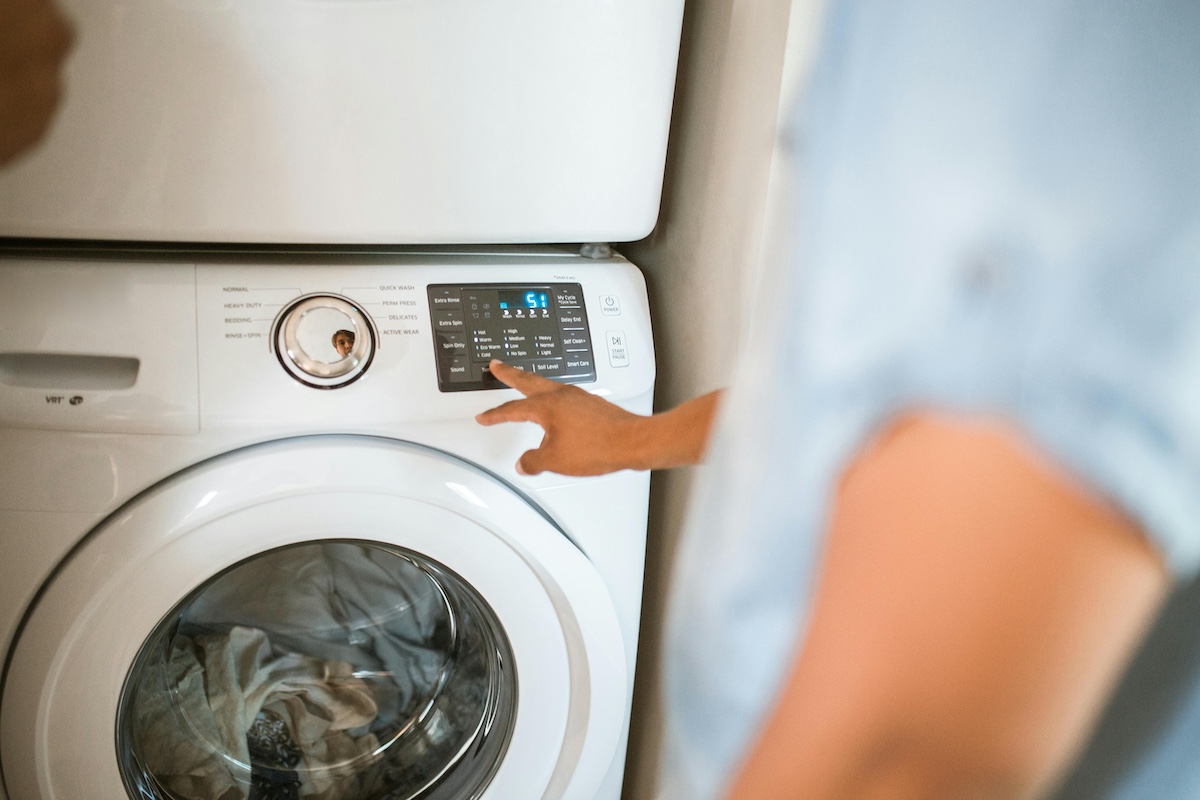
I. More Than Just a Bottle in the Laundry Room!
Who among us truly pauses, mid-laundry cycle, to contemplate the enigmatic bottle of liquid or the compact pod we so casually toss into the drum? We grab, we pour, we wash, assuming a simple exchange: dirt out, clean in. Yet, beneath this mundane ritual lies a tapestry woven from millennia of human ingenuity, scientific breakthroughs, and, more recently, a profound reckoning with our planetary impact. This isn’t merely about vanquishing a spaghetti stain; it’s a deep dive into the surprisingly sudsy saga of laundry detergent – a journey reflecting humanity’s wild ride through history, chemistry, and environmental consciousness. Get ready; the humble act of washing clothes, it turns out, has an epic tale to tell.
II. So, What Is This Magic Potion Anyway? (The Basics, Simplified!)
At its core, what is this concoction designed to do? Simply put, it’s a chemical marvel tasked with the crucial mission of liberating dirt, stains, and unwelcome odors from our cherished textiles. But to truly appreciate its modern form, one must understand the fundamental distinction, often overlooked, between our contemporary “detergent” and its ancient ancestor, “soap.”
Imagine soap as the elder stateswoman: a venerable mixture born from the union of natural fats (animal or vegetable) and a strong alkali, traditionally lye (often derived from wood ashes). For millennia, it was the only game in town. Efficient enough, certainly, but it harbored a rather inconvenient Achilles’ heel: hard water. The minerals present in hard water would react with soap, forming that dreaded, insoluble precipitate we affectionately call “soap scum.” A dingy film, a frustrated sigh – a common lament throughout history.
Enter the younger, more chemically sophisticated sibling: modern detergent. This synthetic superstar, engineered from petrochemicals or, increasingly, bio-based feedstocks, boasts a distinct molecular structure. Its active cleaning agents, known as surfactants (short for surface-active agents), are designed to work wonders regardless of water hardness, encapsulating dirt and suspending it in the wash water without forming stubborn scum. It’s a testament to human innovation, promising brighter whites and fewer laundry woes.
III. A Sudsy Stroll Through Time: From Rubble to Rinses
The narrative of clean clothes is a fascinating mirror to human civilization, evolving alongside our understanding of chemistry and our quest for comfort.
Chapter 1: The OG Cleaners (Ancient Times - circa 2800 BCE)
One might muse upon the serendipitous alchemy of ancient Babylonians, who, as early as 2800 BCE, were crafting cleaning compounds from animal fats and wood ashes. Not exactly a fresh linen scent, perhaps, but a remarkably effective, albeit crude, form of soap. This foundational knowledge rippled through antiquity, with Egyptians and Romans experimenting with naturally occurring alkalines like natron and plant extracts, not just for cleaning but perhaps also for their aromatic properties. The Gauls, too, found their own methods, blending ashes with animal fats to create a hair-cleaning pomade. Necessity, as they say, breeds invention, even in the realm of hygiene.
Chapter 2: The Reign of Soap (Medieval to 19th Century)
For centuries, soap remained the undisputed monarch of the laundry realm. Whether homemade in rustic villages or crafted in burgeoning urban centers, its basic formulation endured. However, its Achilles’ heel – hard water – persisted. The persistent challenge of lime soap scum clinging to fabrics and bath surfaces was a constant irritant, a silent testimony to soap’s inherent limitations in mineral-rich environments. One can almost picture generations of laundry-doers, arms aching, wrestling with this intractable problem.
Chapter 3: Necessity, the Mother of Clean! (Early 20th Century)
The early 20th century, particularly the turbulent era of World War I, proved to be the crucible for a monumental shift. War-time shortages of animal fats and oils, crucial raw materials for soap production, spurred an urgent quest for alternatives. It was in this environment of scarcity and innovation that German chemists, led by Fritz Gunther in 1916, introduced “Supersoft” – the very first synthetic detergent. This wasn’t merely a substitute; it was a groundbreaking product designed to perform superiorly, especially in hard water, without relying on dwindling natural resources. A game-changer, indeed, born from the pressures of conflict.
Chapter 4: The Great Wash Revolution (Post-WWII Boom)
The post-World War II economic boom, coupled with the widespread adoption of automatic washing machines in homes, catalyzed an insatiable demand for effective, easy-to-use laundry solutions. This era saw the true ascendancy of synthetic detergents. Brands like Procter & Gamble’s Tide, though initially introduced in the late 1930s, truly exploded onto the scene, transforming laundry from a laborious chore into a manageable task. These new formulations were not just about surfactants; they were sophisticated chemical cocktails packed with enzymes to break down stubborn stains, optical brighteners to make whites appear whiter, and “builders” (like phosphates) to enhance cleaning power and soften water. The age of modern, convenient laundry had truly arrived, promising a sparkling clean with minimal effort.
IV. The Great Clean Debate: Are We Doing More Harm Than Good? (Current Troubles & Hot Takes)
Yet, as with many technological triumphs, our dazzling cleaning power has come with an unseen, often unintended, cost. While our clothes sparkle, one might legitimately ask: what is the true ecological footprint of this modern convenience?
The Unseen Cost:
Traditional detergents, while undeniably effective, frequently incorporate a complex array of chemicals. Phosphates, once ubiquitous builders, became notorious for their role in eutrophication, triggering massive algal blooms that suffocated aquatic ecosystems. Though largely phased out in many regions, the legacy of their impact reminds us of the delicate balance we upset. Beyond phosphates, many formulations contain various surfactants and other additives, some of which, like trace amounts of 1,4-Dioxane, a potential carcinogen, raise health concerns. Our waterways, in essence, become a diluted chemical cocktail.
And then there’s the plastic predicament. The sheer volume of single-use plastic bottles, pouches, and the plastic films encapsulating laundry pods contributes significantly to our ever-growing global plastic waste crisis. It begs the question: how much plastic waste are we generating in our quest for clean?
The Pod Paradox: Are “Dissolvable” Pods Really Disappearing? (Controversy Alert!)
A particularly contentious debate swirls around the seemingly ingenious laundry pod. Marketed for their convenience and pre-measured dosage, these pods typically rely on polyvinyl alcohol (PVA) film, which is advertised as “dissolvable” and “biodegradable.” The promise is simple: the film vanishes in water, leaving no trace.
However, a growing body of research casts a skeptical eye on this claim. Studies suggest that a significant portion of PVA may not fully dissolve or biodegrade in standard wastewater treatment plants. Instead, it can persist, potentially breaking down into microplastics or even nanoplastics, which then enter our rivers, oceans, and potentially our food chain. Is “dissolvable” truly synonymous with “harmless”? This represents a crucial distinction, a philosophical quandary for the eco-conscious consumer: are we trading one form of plastic pollution (bottles) for another, more insidious one (microplastics)?
Adding to this concern is the broader issue of microfiber mayhem. While not a direct consequence of the detergent itself, the washing of synthetic clothing (polyester, nylon, acrylic) releases countless microscopic plastic fibers into our wastewater. Our modern wardrobe, combined with our cleaning methods, contributes to an omnipresent microplastic contamination that is only now being fully understood.
Greenwashing Guesswork:
In response to heightened environmental awareness, the market has seen an explosion of “eco-friendly,” “plant-based,” and “biodegradable” labels. While commendable in principle, this burgeoning “eco-boom” has also ushered in an era of greenwashing. Consumers, navigating a maze of often vague or unsubstantiated claims, are increasingly skeptical. Are these alternative products truly better for the planet, and crucially, are they as effective? The scrutiny extends to novel delivery systems like laundry sheets – are they genuinely superior, or merely another iteration of convenience with its own set of environmental trade-offs? Transparency, it seems, is the next frontier in consumer trust.
V. Peeking Into the Sudsy Future: What’s Next for Your Laundry? (The Green & Techie Revolution)
Despite the challenges, the horizon for laundry care is teeming with promising innovations, driven by both environmental urgency and technological advancement.
Clean & Green Innovations:
The push for truly biodegradable cleaning power is gaining momentum. This means moving beyond petrochemicals, embracing more plant-based and sustainably sourced ingredients that genuinely break down into benign components in the environment. We’re also seeing an intensified focus on “less is more” – ultra-concentrated formulas that reduce packaging size and transportation emissions. And get this: the frontier of research even extends to waterless cleaning technologies, perhaps via specialized sprays or dry-cleaning methods, which could revolutionize resource consumption. Mind, delightfully, blown.
Smart Suds & Beyond:
The future of laundry is also undeniably smart. Imagine the magic of nanotech: tiny particles doing massive cleaning with even smaller amounts of product, targeting dirt at a molecular level with unparalleled precision. This could lead to hyper-efficient, minimal-waste solutions.
Our appliances are getting smarter too. Envision smart laundry systems where washing machines “talk” to your detergent, automatically dispensing the precise amount needed for each load, optimizing cycles, and even activating detergents at lower temperatures to save significant energy. Your washing machine might just become a highly intelligent, resource-efficient partner.
New delivery systems are also evolving. We’re moving towards widespread adoption of truly refillable packaging and, crucially, genuinely non-toxic dissolving sheets or pods that actually vanish without a trace. The dream of a plastic-mountain-free laundry room feels increasingly attainable.
Transparency & Trust:
Perhaps most critically, the future promises an era of enhanced transparency and stricter regulations. Consumers, armed with more accessible information and demanding accountability, will push for clearer labels and verifiable environmental claims. We will finally know, with certainty, exactly what’s going into our washes – and, by extension, into our precious water systems.
VI. Conclusion: A Call to Conscious Cleaning
What a journey this has been – from the rudimentary ingenuity of ancient civilizations to the complex chemical formulations of today, and on to the tantalizing promise of future-forward, sustainable tech. The story of laundry detergent is far from over; indeed, it is in one of its most dynamic and critical chapters yet.
The challenge ahead is clear: how do we continue to achieve the powerful cleaning we’ve come to expect, while simultaneously protecting our precious planet? It is a delicate balance, requiring innovation, conscious choices, and a collective commitment.
So, the next time you reach for your laundry detergent, remember this epic saga. Remember the ashes of Babylon, the wartime innovations, the environmental reckoning, and the bright, green future beckoning. Your choices, in this seemingly simple act, truly matter in keeping both your clothes and our world clean. Let us wash wisely.